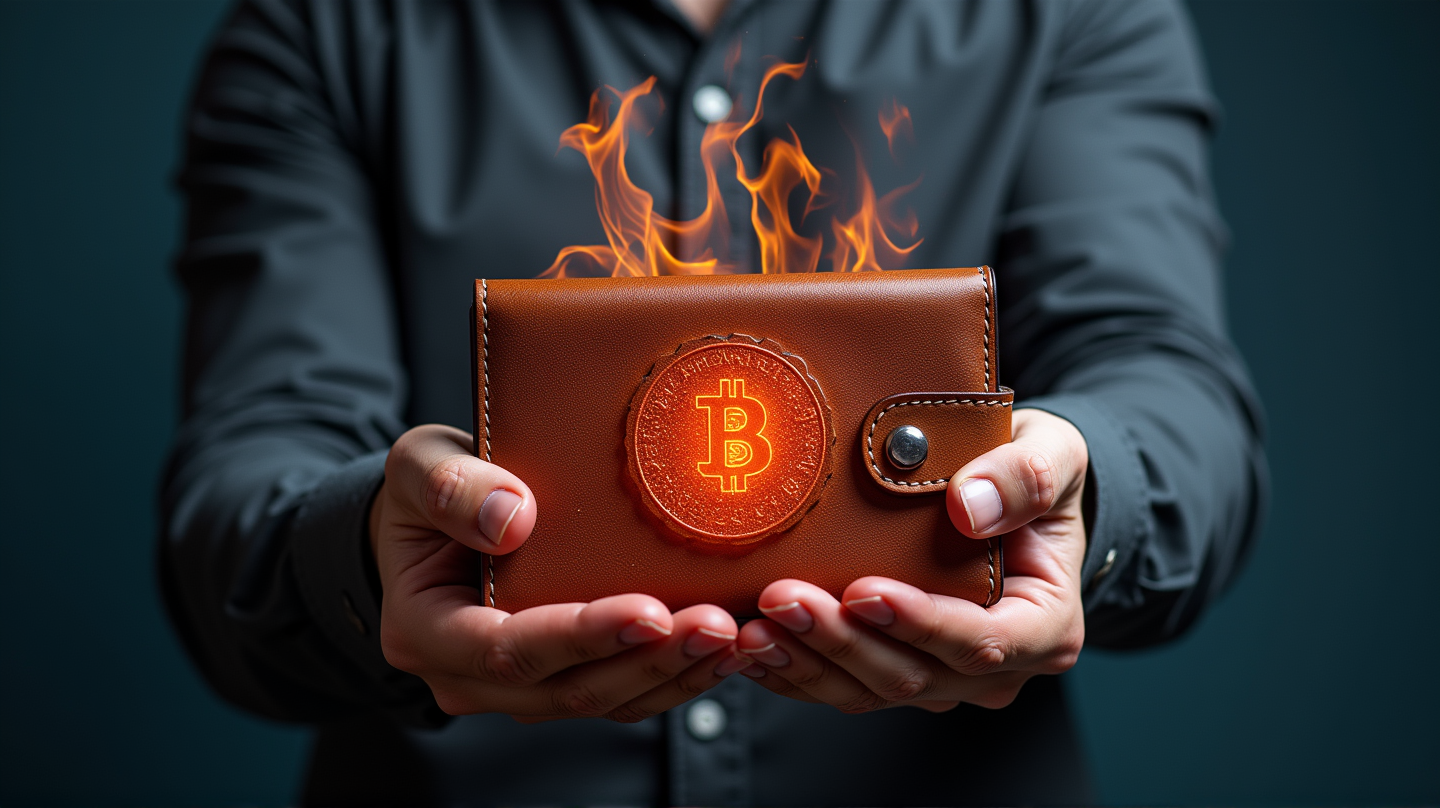
Hot Wallet Definition: What It Means in Trading and Investing
Hot Wallet definition: a Hot Wallet is a crypto wallet connected to the internet, designed for quick access and frequent transactions. In plain terms, it’s an online wallet that prioritises convenience—useful for moving funds rapidly between exchanges, paying fees, or taking trades—rather than maximum security. When investors ask “what does Hot Wallet mean?”, the practical answer is “a wallet you can use immediately, but one that must be protected carefully.”
Although the concept is native to digital assets, it matters for broader markets too. Active traders in stocks, forex, and indices often use crypto rails for funding, collateral, or on/off-ramping, so a connected wallet can affect liquidity, execution timing, and operational risk. It’s a tool in the trading stack—like a prime brokerage account or a cash management account—not a promise of profits.
Disclaimer: This content is for educational purposes only.
Key Takeaways
- Definition: A Hot Wallet is an internet-connected crypto wallet used for fast transfers and frequent trading activity.
- Usage: Traders use a web-based wallet for deposits, withdrawals, exchange-to-exchange moves, and settling positions—often on short time horizons.
- Implication: More funds kept “online” can improve speed and liquidity, but increases exposure to hacks, phishing, and operational errors.
- Caution: Convenience comes with higher security risk; keep only working capital hot and store long-term holdings in cold storage.
What Does Hot Wallet Mean in Trading?
In trading, Hot Wallet meaning is primarily operational, not predictive. It refers to where you keep assets that need to be readily available for execution—think of it as your trading wallet rather than your vault. Because it is connected to the internet, it supports rapid actions: topping up an exchange margin account, responding to a sudden volatility spike, or arbitraging price differences across venues.
A key distinction is between a Hot Wallet (also known as a software wallet when it’s an app) and cold storage, which is kept offline. The former is about speed and workflow; the latter is about minimising attack surface. In a professional setting, this mirrors classic treasury management: keep enough cash in the “till” to operate efficiently, but sweep excess into safer custody.
Traders also talk about Hot Wallets in the context of exchange hot wallets—the pooled addresses exchanges use to process customer withdrawals quickly. Large inflows or outflows can influence short-term liquidity conditions on the venue, which may matter during stressed markets. However, it’s crucial not to treat wallet activity as a standalone trading signal; transfers can reflect internal rebalancing, custody policy, or compliance processes rather than a directional view.
So, in finance terms, Hot Wallets are best understood as a tool for execution and settlement, with a clear trade-off between accessibility and security.
How Is Hot Wallet Used in Financial Markets?
A Hot Wallet is used most directly in crypto, but its role increasingly overlaps with broader market plumbing. For active participants, a digital wallet connected to the internet supports three recurring tasks: funding, collateral management, and settlement. The common thread is speed—minutes matter when markets gap or when margin requirements change.
Stocks: while equities themselves do not settle through a crypto wallet, some investors move stablecoins to manage cash buffers between brokers, or to access tokenised cash products. That can indirectly affect risk appetite and the timing of portfolio moves, especially around earnings seasons or macro events.
Forex: FX traders may use crypto rails to move capital across jurisdictions faster than traditional banking, particularly outside standard payment cut-offs. A online crypto wallet can be a bridge for liquidity, but it adds extra layers of counterparty and regulatory risk.
Indices: index exposure is typically via futures, CFDs, or ETFs, yet collateral decisions can still depend on how quickly a trader can raise margin. Keeping “working collateral” accessible in a hot environment can help with fast risk reductions during volatility spikes.
Time horizons matter. For intraday or swing traders, a hot setup reduces friction. For long-only investors, the optimal approach is usually to keep minimal balances online and rely on slower, safer transfer processes when needed.
How to Recognize Situations Where Hot Wallet Applies
Market Conditions and Price Behavior
Hot Wallet relevance rises when markets move quickly and funding speed becomes a competitive edge. In crypto, sharp breakouts, liquidation cascades, or weekend volatility can force rapid collateral top-ups. A always-connected wallet helps traders meet margin calls or redeploy capital without waiting for bank rails. In calmer regimes, the convenience premium is lower, so keeping large balances online is harder to justify.
Technical and Analytical Signals
Wallet choice is not a chart pattern, but it interacts with execution. If your strategy depends on tight timing—breakout entries, mean-reversion fades, or event-driven trades—then transfer latency becomes part of slippage. Traders who run systematic rules often pre-position funds in a hot crypto wallet to avoid missing fills during high-volume windows. Practically, you’ll see this in workflows: pre-funding exchanges before known risk events, keeping a buffer for fees and gas costs, and maintaining stablecoin liquidity to switch exposure quickly.
Fundamental and Sentiment Factors
Macro and regulatory headlines can turn wallet management into risk management. During periods of banking stress, capital controls, or heightened sanctions risk, participants may prefer the optionality of moving funds via crypto infrastructure—again increasing the importance of a Hot Wallet. Conversely, when the threat landscape worsens (major exchange hacks, phishing waves, or new malware campaigns), sentiment shifts toward minimising online exposure. The disciplined approach is to treat your internet-enabled wallet as an operational account: define a target balance, set sweep rules to cold storage, and review permissions and device security as carefully as you review position limits.
Examples of Hot Wallet in Stocks, Forex, and Crypto
- Stocks: An investor holds a long-term equity portfolio but actively hedges around major macro releases. They keep a small stablecoin balance in a mobile wallet (i.e., a Hot Wallet) to fund an exchange account quickly if volatility spikes and they need to add a hedge. The key is that only “working capital” sits online; the investment core remains elsewhere.
- Forex: A trader rotates between currencies and wants rapid access to liquidity outside bank cut-off times. They use a web wallet to move stablecoins to a venue that offers FX-linked products, then reduce exposure and withdraw back after the event. The interpretation is operational: speed improves flexibility, but it adds an extra counterparty layer and requires strict controls.
- Crypto: A swing trader runs a rule to buy dips during high-volume sell-offs. They keep pre-approved funds in a online trading wallet to execute immediately, then periodically sweep profits to cold storage. The practical lesson is that Hot Wallet use can improve execution timing, but it must be paired with 2FA, withdrawal whitelists, and position sizing discipline.
Risks, Misunderstandings, and Limitations of Hot Wallet
The central risk of a Hot Wallet is straightforward: connectivity increases attack surface. The same features that make an internet-connected wallet convenient—always available, easy to sign transactions, integrated with apps—also make it more exposed to phishing, SIM swaps, clipboard malware, and compromised devices. From a market perspective, the main limitation is that wallet location is not a trade signal; it’s a custody decision.
- Overconfidence: Traders may keep excessive balances in a software-based wallet because it “feels” liquid, underestimating low-probability, high-impact security events.
- Misinterpretation: Reading exchange hot-wallet flows as guaranteed “smart money” can be misleading; movements often reflect internal treasury operations.
- Single-point failure: A compromised phone, seed phrase, or browser extension can lead to irreversible losses.
- Poor diversification: Concentrating assets in one place—one wallet, one device, one exchange—amplifies operational risk even if the portfolio is diversified by instrument.
- Process risk: Wrong-network transfers, incorrect addresses, or rushed approvals are common and typically unrecoverable.
How Traders and Investors Use Hot Wallet in Practice
Professionals treat a Hot Wallet as part of a wider control framework: pre-defined limits, segregation of duties, and routine sweeps to offline custody. In a fund context, a small transaction wallet balance may be maintained to meet margin and settlement needs, while the bulk of assets sit in cold storage or institutional custody. Crucially, “how much stays online” is decided like position sizing—by loss tolerance, not convenience.
Retail traders often start with a simple setup: one app-based wallet for deposits and withdrawals. The better practice is to separate functions: keep only near-term trading capital in a connected crypto wallet, enable strong authentication, and whitelist withdrawal addresses. If you use leverage products, you should also plan for liquidity stress—hold a buffer so you are not forced to transfer funds during peak volatility.
From a trading mechanics standpoint, Hot Wallet discipline pairs naturally with classic risk tools: smaller position sizes, hard stop-losses, and a clear maximum daily loss. If you want a structured approach, review a plain-language Risk Management Guide and apply the same logic to custody: define limits, monitor exposures, and remove single points of failure.
Summary: Key Points About Hot Wallet
- Hot Wallet meaning: an internet-connected wallet built for speed, frequent transfers, and day-to-day trading operations.
- A online wallet can improve execution readiness (funding, collateral, settlement), especially in fast markets and short time horizons.
- The trade-off is clear: higher convenience versus higher security and process risk; keep only working capital accessible.
- Wallet activity and location are not reliable price signals on their own; treat them as operational context, not a forecast.
To build solid foundations, focus next on portfolio construction basics and a practical Risk Management Guide, then align custody choices with your time horizon and risk tolerance.
Frequently Asked Questions About Hot Wallet
Is Hot Wallet Good or Bad for Traders?
It is neither inherently good nor bad. A Hot Wallet is useful for speed and frequent execution, but it increases exposure to cyber and operational risks compared with offline storage.
What Does Hot Wallet Mean in Simple Terms?
It means a crypto wallet that is online and ready to use. In simple terms, it’s a web-connected wallet for sending, receiving, and trading quickly.
How Do Beginners Use Hot Wallet?
They use it to deposit to an exchange, pay network fees, and withdraw funds. Beginners should keep balances small, turn on 2FA, and treat their trading wallet as spending money, not long-term savings.
Can Hot Wallet Be Wrong or Misleading?
Yes, if you treat it as a market signal. Movements involving an exchange hot wallet can reflect internal transfers, custody policy, or batching—not a bullish or bearish view.
Do I Need to Understand Hot Wallet Before I Start Trading?
Yes, at least at a basic level. Understanding the trade-off between convenience and security helps you avoid preventable losses and build a safer process for moving funds.
Disclaimer: This article is for informational purposes only and does not constitute financial advice. Always do your own research or consult a professional.
